
Introduction
Fire safety is a fundamental responsibility for building owners and facility managers. Whether in commercial properties, residential developments, or public spaces, protecting people and assets requires a structured and proactive approach. While fire incidents can arise from relatively small issues such as electrical faults or unattended equipment, their impact can be significant if not controlled early.
Effective fire prevention goes beyond basic precautions. It involves integrating reliable fire protection systems, maintaining them correctly, and ensuring that all safety measures remain compliant with current standards. Fire sprinkler maintenance plays a critical role in this process, providing an immediate response that helps contain fire before it escalates.
By combining preventive measures with well-maintained fire protection infrastructure, building managers can significantly reduce the risk of fire damage and ensure a safer environment for occupants.
Reducing Fire Risks Through Preventive Measures
Preventing fire damage begins with identifying and reducing common sources of risk within a building. Electrical faults, overheating equipment, and poor housekeeping practices are among the most frequent causes of fire incidents.
A structured prevention strategy typically includes:
● Regular inspection of electrical systems and wiring
● Maintaining clear spaces around heat sources and equipment
● Ensuring safe storage of combustible materials
● Monitoring high-risk areas such as kitchens or plant rooms
These measures form the first line of defence against fire. When combined with effective fire protection systems, they create a more resilient safety framework that reduces the likelihood of incidents occurring.
The Role of Fire Sprinkler Systems in Fire Protection
Fire sprinkler systems are a key component of modern fire safety strategies. Designed to respond automatically to high temperatures, they activate quickly and control the spread of fire at an early stage.
Unlike manual firefighting methods, sprinkler systems operate immediately, often before emergency services arrive. This rapid response helps:
● Contain fire within a limited area
● Reduce damage to property and infrastructure
● Protect occupants by controlling heat and smoke levels
It is important to note that sprinkler systems are highly targeted. Only the sprinkler head exposed to sufficient heat will activate, ensuring that water is used efficiently and unnecessary damage is avoided.
Supporting Compliance and Safety Standards
Fire safety systems must meet strict regulatory requirements to ensure that buildings remain compliant and safe. Fire sprinkler systems are often a key element in meeting these standards, particularly in commercial and multi-occupancy buildings.
Regular inspection and maintenance form an essential part of compliance. Servicing schedules help demonstrate that systems are functioning correctly and meet required safety guidelines.
This includes:
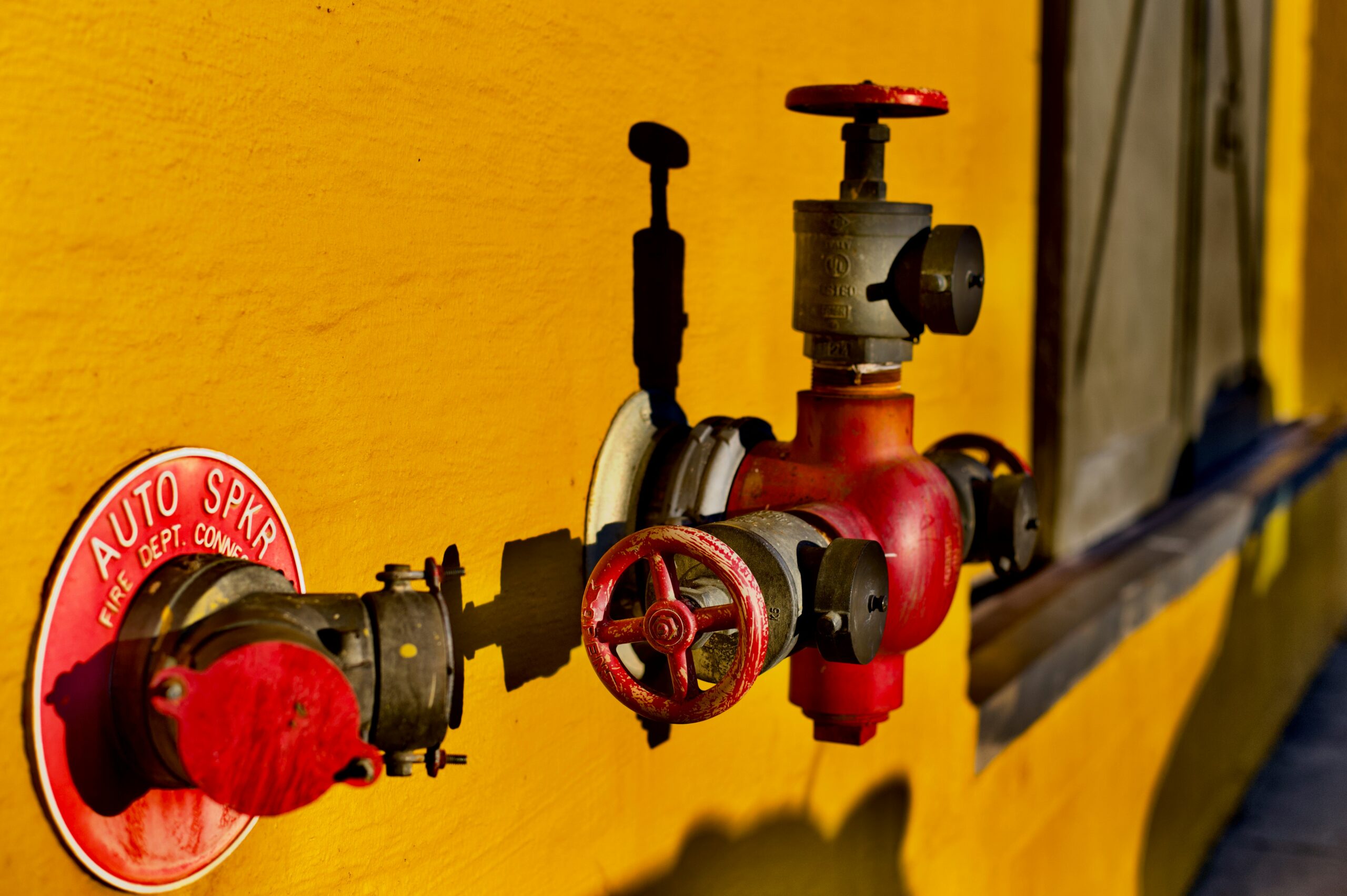
● Checking valves and control mechanisms
● Verifying water pressure and flow performance
● Inspecting sprinkler heads for blockages or damage
● Maintaining accurate service records
A consistent maintenance programme supports both compliance and accountability, ensuring
that building safety responsibilities are clearly managed and documented.
The Importance of Professional Servicing
Even the most reliable fire sprinkler systems require regular servicing to remain effective. Overtime, components can become obstructed, pressure levels may fluctuate, and system performance can be affected.
Professional maintenance ensures that these issues are identified and resolved before they compromise system reliability. Structured servicing programmes typically include detailed inspections, performance testing, and system adjustments.
Working with experienced providers ensures that fire protection systems are maintained to the required standards. This not only supports compliance but also provides confidence that the system will operate correctly in an emergency.
Practical Benefits of a Well-Maintained System
Beyond safety and compliance, regular maintenance of fire sprinkler systems provides several practical advantages for building management.
These include:
● Reduced risk of system failure during emergencies
● Improved long-term performance and reliability
● Extended lifespan of system components
● Better planning through clear maintenance records
A well-maintained system also supports broader risk management strategies by ensuring that fire protection measures remain effective at all times.
Frequently Asked Questions
Do fire sprinklers activate accidentally?
No. Sprinkler systems are designed to respond only to high temperatures. Everyday activities
such as cooking smoke or minor heat sources will not trigger them.
Will all sprinklers activate at once?
No. Only the sprinkler head closest to the heat source will activate, helping control the fire without unnecessary water discharge.
How often should sprinkler systems be serviced?
Regular servicing is essential and should follow recommended schedules, typically involving annual inspections along with routine checks.
Conclusion
Preventing fire damage requires a combination of proactive risk management and reliable fire protection systems. Fire sprinkler systems play a vital role in quickly and effectively controlling fires, helping protect both people and property.
By implementing structured maintenance programmes and ensuring systems are regularly inspected, building managers can maintain compliance, reduce risk, and improve overall safety.
A well-maintained fire protection system is not only a regulatory requirement but also a critical investment in the long-term security and resilience of any building.
