

If you’ve ever struggled to find that balance between eating for energy and maintaining a healthy weight, you’re not alone. Between work, family, and trying to eat well, it can feel nearly impossible to nourish your body in a way that’s both satisfying and supportive of your goals. That’s where a simple, high-protein shake can make a big difference.
Protein shakes, especially when made with clean ingredients like this grass-fed whey protein powder, can help you feel full longer, curb cravings, and fuel your body with the right nutrients, without resorting to crash diets or skipping meals.
Let’s start with a delicious, nutrient-dense recipe that’s quick to make and perfect for breakfast, lunch on the go, or a post-workout boost.
Whey Protein Shake Recipe
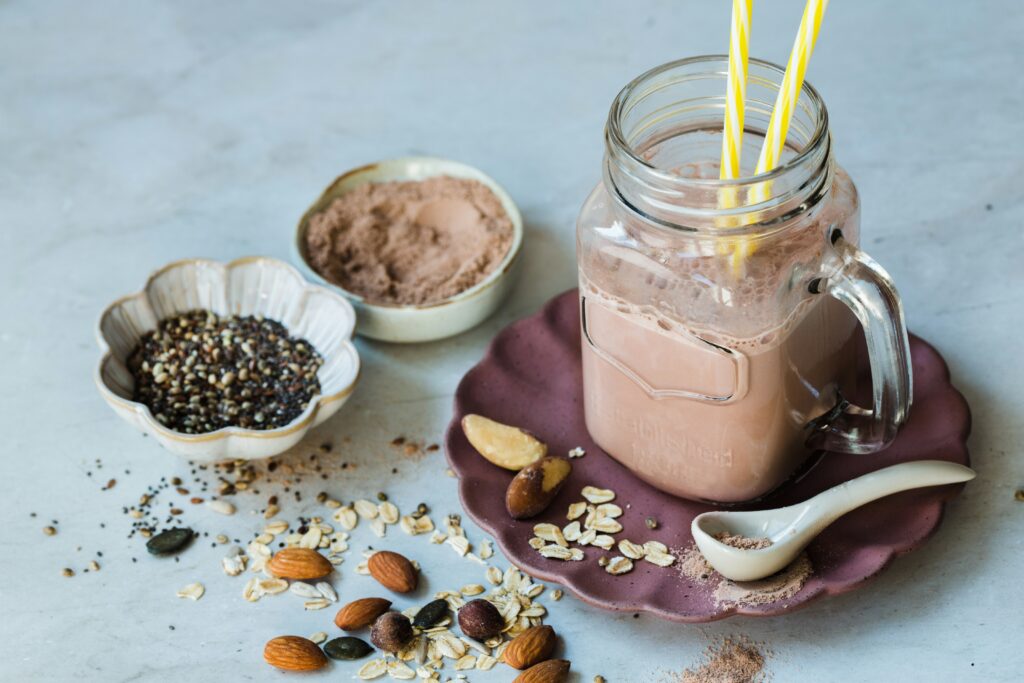
Ingredients
● 1 scoop grass-fed whey protein powder (either chocolate or vanilla flavor)
● 1 cup almond milk (or milk of choice)
● ½ cup frozen mixed berries (blueberries, strawberries, raspberries)
● 1 tablespoon cacao nibs or unsweetened cocoa powder
● ½ banana (optional, for creaminess)
● 1 tablespoon chia seeds or ground flaxseed
Directions
- Add all ingredients to a blender.
- Blend until smooth and creamy.
- Taste and adjust sweetness. You can add a splash of vanilla extract or a few drops of
stevia if you prefer. - Pour into a glass or shaker bottle and enjoy immediately.
This shake is rich in protein, fiber and antioxidants, making it the perfect mix to support energy,
fullness, and muscle recovery.
This shake is rich in protein, fiber and antioxidants, making it the perfect mix to support energy, fullness, and muscle recovery.
The Role of Protein in Weight Management
Protein is the most satiating of the macronutrients, meaning it helps you feel fuller for longer. This can naturally lead to lower calorie intake throughout the day without the feeling of deprivation.
Here’s how protein plays a role in healthy weight management:
- Increases Satiety
A protein-rich meal or snack slows digestion, helping to control hunger hormones like ghrelin and support stable blood sugar levels. - Preserves Lean Muscle Mass
When you lose weight, the goal is to lose fat, not muscle. Adequate protein intake helps maintain lean tissue, which is crucial for a healthy metabolism. - Boosts Metabolism Slightly
Protein has a higher thermic effect than carbs or fats, meaning your body uses more energy to digest and metabolize it. This translates to a small but meaningful calorie burn advantage. - Supports Recovery and Strength
If you’re active (even if that just means walking daily or doing light workouts), protein is key for repairing muscle and keeping you strong.
How Many Calories Do You Need Per Day?
Everyone’s calorie needs are different, but knowing your general range can help you make informed choices.
Factors That Influence Calorie Needs
● Age and gender
● Activity level (sedentary vs. active lifestyle)
● Metabolic rate
● Body composition and goals
As a simple starting point:
● Most women maintain their weight on about 1,800–2,200 calories per day, depending on
activity.
● For gradual weight loss, reducing intake by 250–500 calories per day (through diet or
added activity) is typically safe and sustainable.
A protein shake can fit into this easily, either as a meal replacement when you’re on the go or as
a satisfying snack that helps prevent overeating later in the day.
How Much Protein Should You Eat?
The average adult often underestimates their protein needs. The general RDA (Recommended Dietary Allowance) for adults is 0.8 grams per kilogram of body weight — but that’s a minimum to prevent deficiency, not necessarily optimal for energy, muscle, or satiety.
For most adults, a better target is 1.2 – 2.0 grams of protein per kilogram of body weight per day. For example: A 65 kg (143 lb) woman might benefit from 80–120 grams of protein daily.
Including a serving of whey protein (around 25 grams) makes this goal much more attainable, especially on busy days when meals are rushed or skipped.
Other Habits to Maintain a Healthy Weight
Nutrition is foundational, but other lifestyle factors make just as much of a difference. Here’s
how to round out your healthy-weight plan.

- Prioritize Quality Sleep
Poor sleep disrupts hunger hormones like ghrelin and leptin, often leading to increased appetite and cravings. Aim for 7–9 hours per night to support recovery, metabolism, and decision-making
around food. - Stay Hydrated
Dehydration can mimic hunger. Keep a water bottle nearby and drink consistently throughout the day. Herbal tea and sparkling water count, too. - Be Consistent with Movement
You don’t need extreme workouts to maintain a healthy weight. Regular walks, strength training, or even dancing around the house help build lean muscle and support metabolism. - Mindful Eating
Slow down, chew thoroughly, and tune into hunger cues. Mindfulness helps prevent overeating and increases satisfaction with meals. - Balance, Not Perfection
One shake or meal won’t make or break your goals. Focus on consistent, balanced habits (including protein, fibre, healthy fats, and hydration) and you’ll see sustainable results.
Bringing It All Together
Maintaining a healthy weight doesn’t require complicated rules, it’s about nourishing your body with what it needs to thrive. Adding a simple whey protein shake to your daily routine can make that easier, providing a clean, convenient source of protein that supports fullness, energy, and strength.
Try the recipe above with this clean protein powder in chocolate or vanilla, and make it your own by switching up the fruit or adding greens for extra fibre. It’s a small, satisfying habit that can have a big impact on how you feel, and how you fuel yourself every day.
