
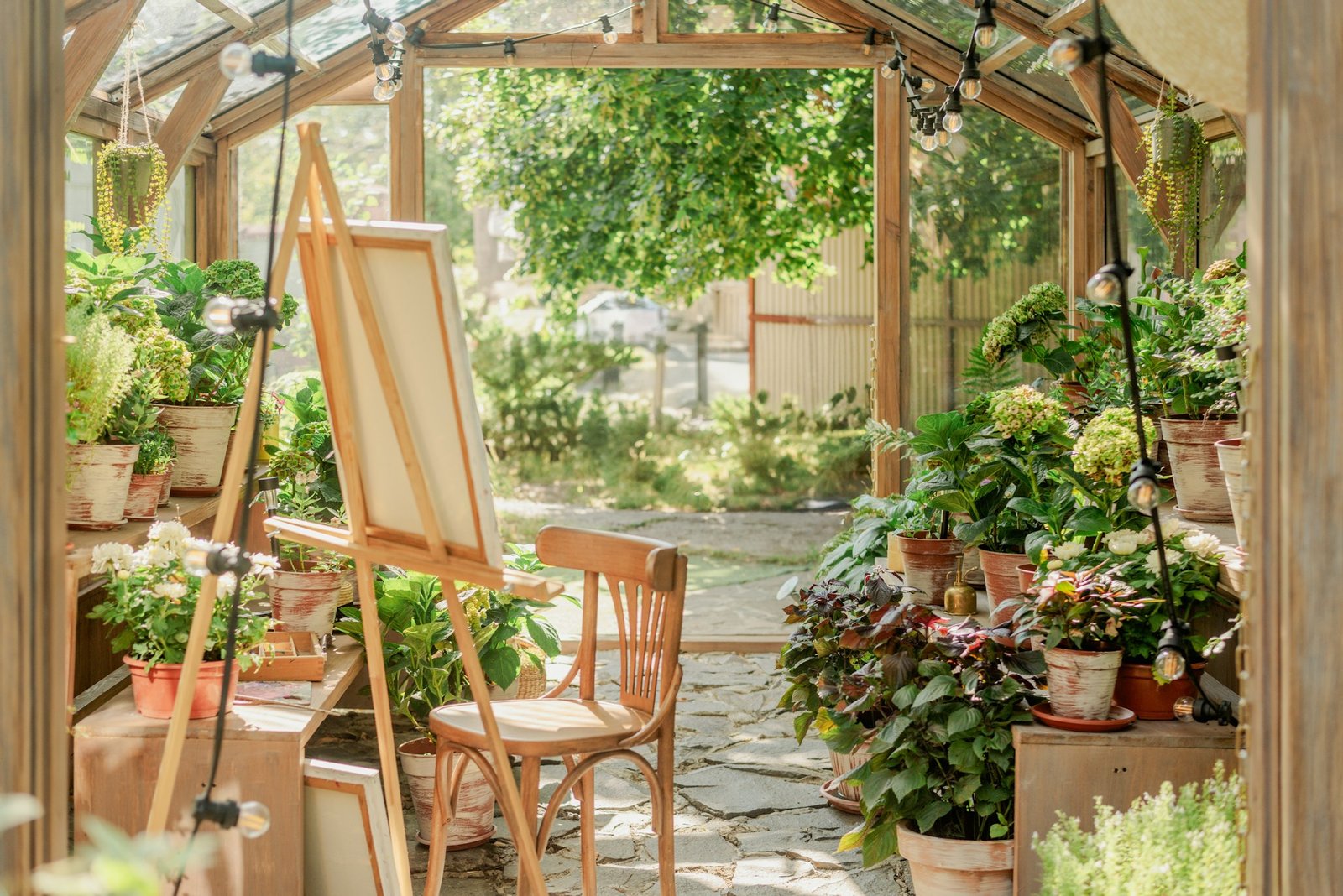
A garden studio can give remote work a clear boundary without adding a daily commute. Instead of balancing a laptop on the kitchen table, you have a dedicated place for calls, focused tasks and paperwork. At the end of the day, closing the studio door creates a useful signal that work has finished. The arrangement won’t suit every home or garden, but it can make working patterns feel far more manageable when indoor space is limited.
Separate Work Stress from Home Life
Working in a spare room still leaves unfinished tasks only a few steps away. A studio creates physical distance, which can help you stop checking emails during dinner or returning to your desk late at night. Advice on garden workspace balance also highlights the value of separating professional and personal routines. Creating a dedicated work area and setting clear boundaries between professional and personal time can make remote work easier to manage, especially when adapting your home for long-term working from home
Treat the short walk across the garden like a miniature commute. Start and finish at consistent times, take a proper lunch break and leave work equipment in the studio overnight. If other family members are at home, agree on signals for calls or concentrated work. A closed door might mean you need quiet, while an open one shows that a quick visit is fine.
Essential Features for Year-Round Comfort
Plan for January as carefully as July. A studio that becomes damp, chilly or uncomfortably hot will soon stop feeling like a practical office. Heating, ventilation and shade all deserve attention, along with opening windows that allow fresh air to circulate.
The exterior finish also affects maintenance and weather resistance. Durable composite cladding can protect the shell while giving it a tidy appearance, with less routine upkeep than many traditional finishes. Check how every material works as part of the complete wall system before ordering.
Electric sockets should sit near the desk and any printer or heater, so extension leads don’t trail across the floor. Reliable internet matters too. Test the signal from the proposed location, then consider a wired connection or suitable network booster if video calls break up.
Insulating and Weatherproofing the Shell
Good insulation helps keep the temperature stable and reduces heating costs, but it needs to cover the floor, walls and roof. Weak spots around doors, window frames and cable openings can create draughts even when the main structure is well insulated. Ask for the proposed insulation type and thickness in writing, including details of moisture control and ventilation.
Look at drainage before work begins. Rainwater should run away from the base, while gutters need a clear outlet that won’t create a soggy patch beside the entrance. Positioning the studio slightly above ground level can also reduce splashback and damp exposure.
Inspect seals and external joints twice a year, ideally during spring and autumn. Early repairs to cracked sealant, blocked gutters or damaged trim are usually simpler than dealing with water that has reached the interior.
Interior Touches for Maximum Focus
Place your desk where daylight reaches the work surface without shining directly onto the screen. If the studio faces strong afternoon sun, blinds or an external shade can control glare and overheating. Guidance on a wellbeing-focused home office also covers the relationship between layout, comfort and healthy working habits.
Choose an adjustable chair, a desk at a comfortable height and layered lighting for dull days. A ceiling light can brighten the whole room, while a desk lamp provides focused illumination for reading and writing. Closed storage will keep cables, stationery and household paperwork out of sight.
Keep the room personal but calm. One or two plants, a favourite print and a pinboard may be enough. When the final call ends, put away your laptop, switch off the lights and walk back to the house. That small routine is where the studio starts earning its place in family life.
