
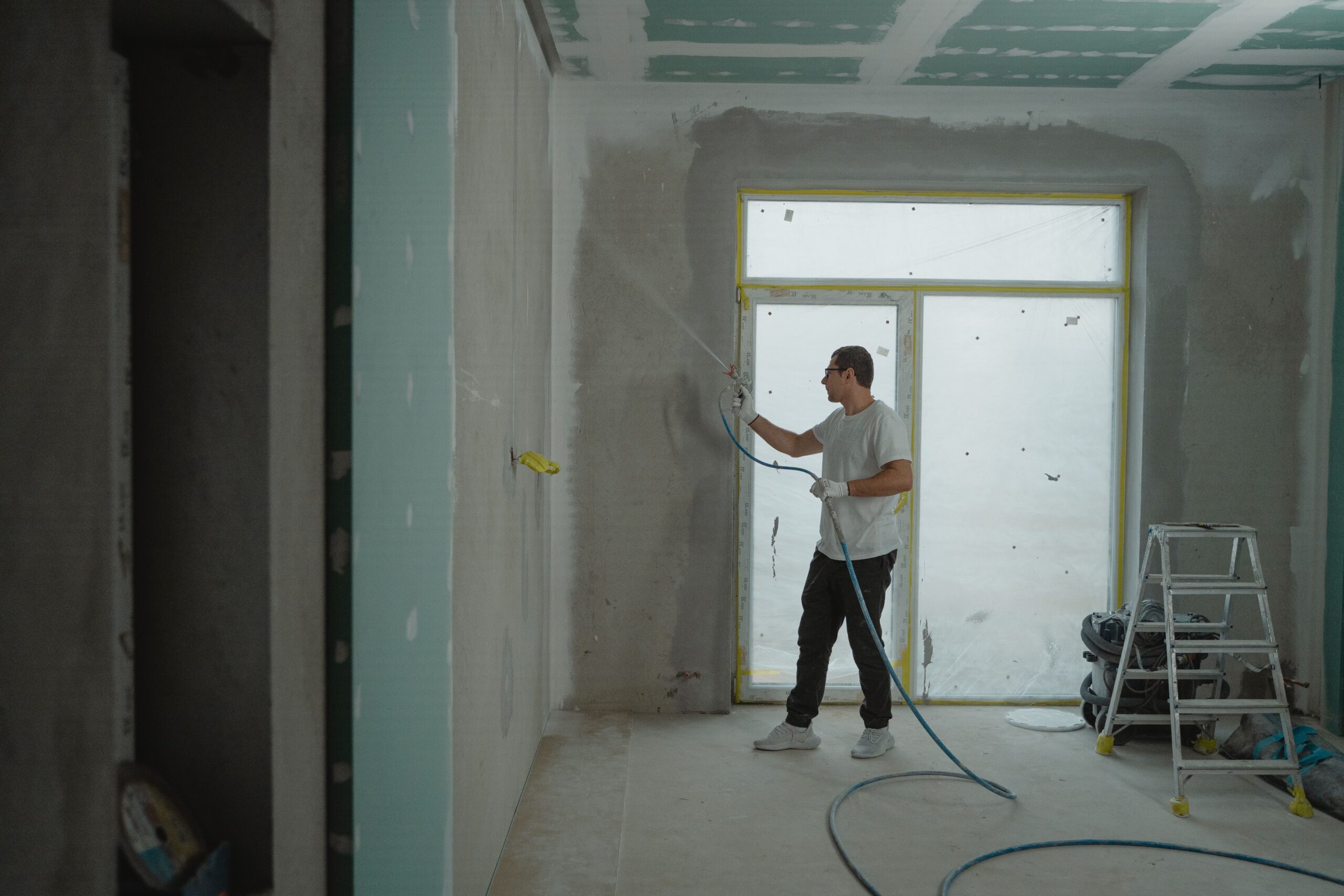
If you are thinking of trying to renovate a room at home, you will need to know what to do to ensure that you can do it right. Renovating a room can feel like both an exciting opportunity and an overwhelming challenge. Whether you’re updating a tired space, improving functionality, or simply giving your home a fresh look, approaching the project with a clear plan and understanding of the materials and techniques involved will make the process far smoother. Here’s a comprehensive guide to tackling a room renovation, from preparation to finishing touches, including a practical note on drywall screws.
Start With a Clear Vision
Before picking up a hammer or paintbrush, take time to envision what you want your room to become. Consider both style and function. Are you aiming for a modern minimalist look, a cozy retreat, or a vibrant creative space? Think about the colors, lighting, furniture layout, and how you use the room daily. Sketching a rough plan or mood board can help crystallize your ideas and guide your decisions as you go.
Assess and Prepare the Space
Renovation begins with careful preparation. Remove furniture, decorations, and any wall fixtures. Protect floors and surfaces with drop cloths to avoid damage. If the room hasn’t been updated in a while, inspect walls, ceilings, and floors for damage such as cracks, water stains, or uneven surfaces. This step helps prevent surprises later and ensures your finishing work looks clean and professional.
Plan Your Materials and Tools
Choosing the right materials is crucial for a durable, polished result. For walls, drywall remains a staple. Installing or repairing drywall requires specific fasteners to ensure stability. Drywall screws, in particular, are designed to anchor sheets securely to studs without damaging the surface. They come in different lengths and types depending on whether you’re working with standard drywall, moisture-resistant boards, or ceilings. Using the correct screws and a compatible drill will save time and reduce the risk of cracks or sagging.
Focus on Structural and Functional Changes First
If your renovation involves more than cosmetic changes – like moving walls, adding storage, or updating electrical wiring – handle these before painting or installing decorative finishes. Ensuring structural soundness and safety is always the priority. For walls, carefully hang drywall panels using screws spaced according to manufacturer guidelines. Typically, this means placing screws every 16 inches along studs for a standard wall, tightening them just below the surface without breaking the paper face. This step provides a solid foundation for finishing work like plastering, painting, or wallpapering.
Paint, Flooring, and Finishing Touches
Once structural elements are complete, move on to aesthetics. Paint is often the fastest way to transform a room. Choose high-quality primer and paint to ensure even coverage and durability. Flooring can be installed next, whether it’s hardwood, laminate, carpet, or tiles. Trim and molding add polish and help transition between walls, floors, and ceilings.
