
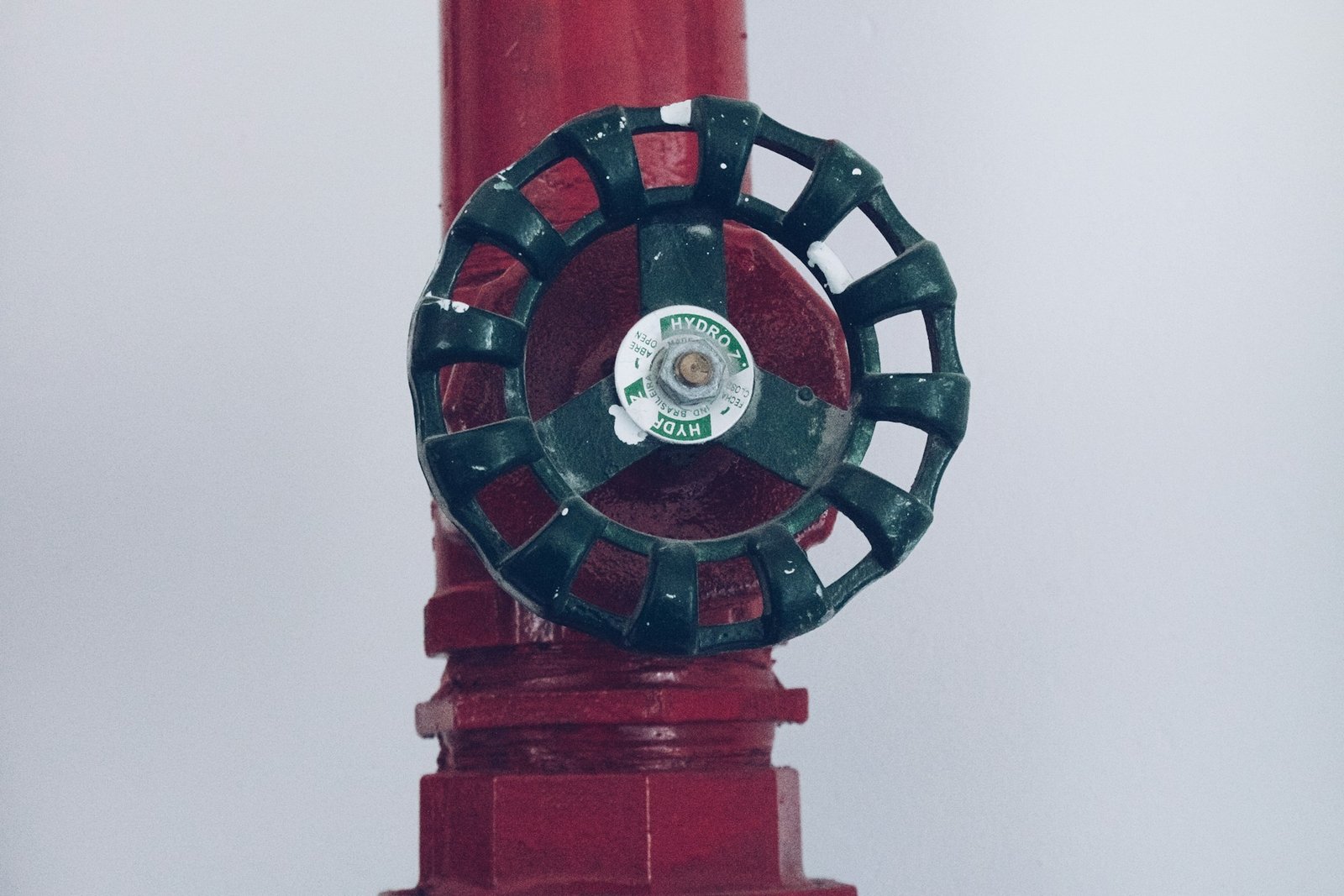
Choosing the right fire sprinkler system is one of the most important decisions when designing or upgrading a modern building. An effective fire suppression system not only protects lives but also helps minimise property damage, business disruption, and costly repairs. With today’s advancements in fire safety technology, building owners and developers have access to a wide range of solutions, from traditional sprinkler systems to innovative water mist systems designed for greater efficiency and reduced water usage.
Understanding the differences between these fire protection options is essential for ensuring compliance with building regulations while meeting the specific safety requirements of residential, commercial, industrial, and public buildings. By selecting the most suitable fire suppression system, property owners can create a safer environment, improve long-term reliability, and invest in a solution that offers dependable performance for years to come.
Understand the Building’s Requirements
Every building presents unique fire risks. A warehouse storing combustible materials has very different protection requirements from a modern apartment block or heritage property. Before selecting a system, consider factors such as the building’s purpose, size, occupancy levels, and the type of materials present.
High-rise buildings, hospitals, and commercial premises often require tailored fire suppression strategies to ensure fast response while minimising disruption. The system should integrate seamlessly with the overall fire safety plan, including alarms, emergency exits, and smoke control measures.
Evaluate Different Fire Suppression Technologies
Traditional sprinklers remain a widely used option for many properties, but they are no longer the only choice. Advances in fire protection technology have introduced alternatives that use significantly less water while maintaining excellent fire suppression performance.
Understanding the differences between available systems helps building owners make informed decisions. For a detailed comparison between conventional sprinklers and newer technologies, this guide to fire sprinkler system solutions explains the advantages and limitations of each approach.
Comparing system performance, installation requirements, and long-term maintenance can help identify the most appropriate option for your project.
Consider Water Usage and Property Protection
One of the biggest concerns during a fire is the potential for water damage. While extinguishing the fire is the priority, excessive water discharge can significantly increase repair costs and business disruption.
Modern suppression technologies are designed to use water more efficiently. Systems that produce fine droplets can absorb heat quickly, cool surrounding surfaces, and reduce oxygen around the flames, helping to suppress fires while using considerably less water than conventional sprinklers.
This makes them particularly suitable for buildings containing valuable equipment, historical features, archives, or sensitive electronic installations where limiting water damage is essential.
Think About Installation Flexibility
Retrofitting fire protection into existing buildings often presents practical challenges. Limited ceiling space, architectural restrictions, and ongoing building operations can make installation more complicated.
Compact pipework and smaller nozzles can provide greater flexibility when installing systems in occupied buildings or structures where preserving aesthetics is important. This is especially beneficial for listed buildings, museums, hotels, and luxury residential developments where extensive structural modifications may not be desirable.
Early planning with experienced fire protection specialists can help minimise disruption while ensuring compliance with current fire safety standards.
Maintenance and Long-Term Reliability
Installing a fire suppression system is only the first step. Regular inspection and maintenance are essential to ensure the system performs correctly in an emergency.
Routine servicing should include checking pipework, valves, pumps, detection equipment, and discharge nozzles where applicable. Following manufacturer recommendations and local fire safety regulations helps maintain system reliability throughout its operational life.
Selecting a reputable installer that offers ongoing maintenance support can simplify compliance and provide confidence that the system remains fully operational.
Future-Proof Your Building
As building regulations evolve and sustainability becomes increasingly important, many property owners are looking for fire protection solutions that offer both safety and environmental benefits.
Modern suppression systems often consume less water, require less storage capacity, and can reduce the environmental impact associated with fire incidents. They also provide greater flexibility for contemporary architectural designs where space efficiency is a priority.
Many developers are now considering a water mist system as part of their long-term fire protection strategy because it combines effective suppression with reduced water consumption and adaptable installation options across a wide range of building types.
Work with Qualified Fire Protection Experts
Choosing the right fire suppression solution should never rely solely on cost. System design, compliance, installation quality, and ongoing maintenance all contribute to overall performance.
Experienced fire protection professionals can carry out detailed risk assessments, recommend the most appropriate technology, and ensure the installation complies with relevant British Standards and local regulations. Their expertise helps avoid costly design mistakes while ensuring occupants receive the highest level of protection.
Frequently Asked Questions
1. What is the best fire sprinkler system for modern buildings?
The best system depends on the building’s size, layout, occupancy, and fire risks.
2. Is a water mist system better than a traditional sprinkler system?
A water mist system uses less water and can help reduce water damage while providing effective fire suppression.
3. How often should a fire sprinkler system be maintained?
It should be inspected and serviced regularly to ensure it remains safe, compliant, and fully operational.
4. Can fire sprinkler systems be installed in existing buildings?
Yes. Many fire sprinkler and water mist systems can be retrofitted into existing residential and commercial properties.
Conclusion
Selecting the right fire sprinkler system involves much more than choosing a product. It requires careful consideration of the building’s purpose, fire risks, installation constraints, maintenance requirements, and future operational needs.
By understanding the available technologies and working with qualified specialists, building owners can implement a fire protection solution that provides dependable performance while protecting both people and property. Investing in the right system today not only improves safety but also supports long-term resilience, regulatory compliance, and peace of mind for everyone who uses the building.
