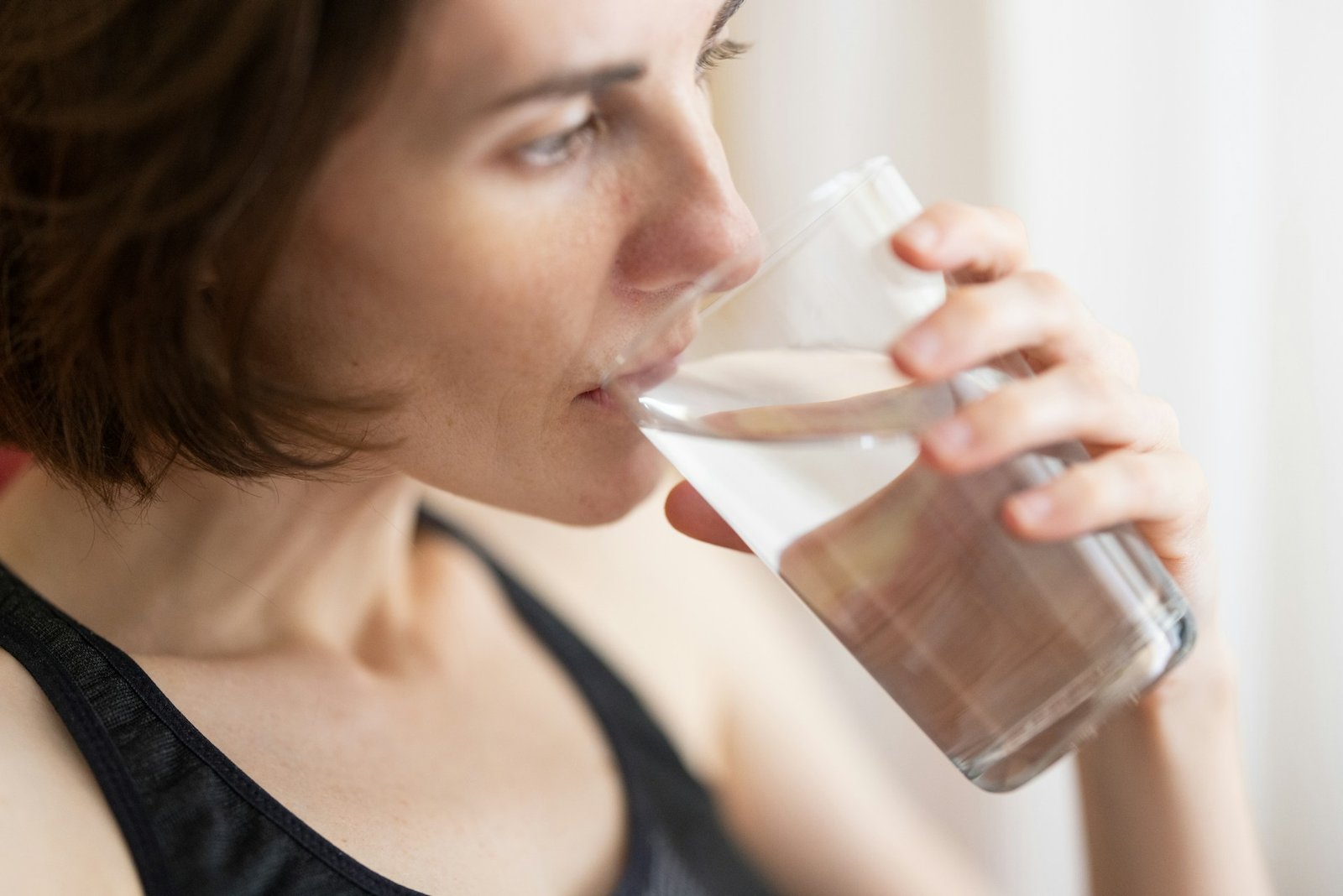
Dehydration can leave you feeling tired and distracted before you notice obvious thirst. A warm room, a busy morning or several cups of coffee without water can all contribute to mild fluid loss. The result may feel like an afternoon slump, poor concentration or unusual irritability.
Although tiredness has many possible causes, drinking regularly is one of the simplest factors to check. A few practical changes at home or work can make hydration easier to remember and help you maintain steadier energy throughout the day.
How Mild Fluid Loss Drains Focus
Water supports blood circulation, temperature control and the transport of nutrients around the body. When fluid levels fall, these everyday processes become harder to manage. You might develop a headache, lose track of a task or find that routine decisions require more effort.
The connection between dehydration and mental health can also explain why low fluid intake sometimes feels like mental exhaustion. Thirst, a dry mouth and darker urine are useful warning signs, but they may appear after your concentration has already dipped.
Try drinking at natural pauses in your day, such as after waking, with breakfast and before starting a focused task. If tiredness persists despite adequate fluids and sleep, speak to a healthcare professional because fatigue can have many underlying causes.
Recognising Mood Fluctuations and Stress
Mild dehydration may affect mood as well as attention. Research on mild dehydration found changes in mood, perceived task difficulty and concentration, including in people who were not doing strenuous exercise. That matters on ordinary days when school runs, household jobs and work deadlines already place demands on your attention.
Notice patterns before blaming a difficult afternoon entirely on stress. If irritability or mental fog tends to appear at a similar time each day, consider when you last drank water.
Create Clear Visual Prompts in Shared Rooms
Hydration habits often fail because water stays out of sight. Put a filled jug on the dining table at mealtimes, keep reusable bottles beside packed lunches and place drinking glasses near the usual source of water. These small visual cues are especially useful in busy family homes where routines change from one day to the next.
Shared rooms need simple systems. Give each family member a recognisable bottle and wash them at the end of the day, ready for the following morning. In a workplace, placing a water cooler near a kitchen, break area or commonly used route can provide a visible reminder to refill while keeping water easy to access.
Digital reminders can help during long stretches at a desk, though constant alerts soon become easy to ignore. Linking drinks to existing events, such as finishing a call or returning from the school run, usually creates a more natural rhythm.
Practical Habits for Sustained Vitality
Start the morning with a drink and continue at regular intervals instead of trying to catch up late in the day. Individual fluid needs vary with body size, activity, health, weather and diet, so rigid targets won’t suit everyone. More water may be needed during exercise, hot weather, illness, pregnancy or breastfeeding.
Hydration is only one part of maintaining steady energy. Other simple habits for overcoming low energy include paying attention to diet, activity levels and the nutrients your body needs. Food contributes to hydration as well, with soup, yoghurt and water-rich fruit and vegetables supporting fluid intake alongside drinks.
Carry a reusable bottle when travelling and refill it whenever you have access to clean drinking water. Pay attention to context and symptoms. Some medical conditions require people to limit fluids, so follow any advice given by your healthcare team. Seek medical help for signs of serious dehydration such as confusion, fainting, a rapid heartbeat or very little urine.
For most ordinary days, the best system is the one you barely have to think about. Leave tomorrow’s bottle where you’ll see it in the morning, then use meals, breaks and arrivals home as reliable prompts to drink.
